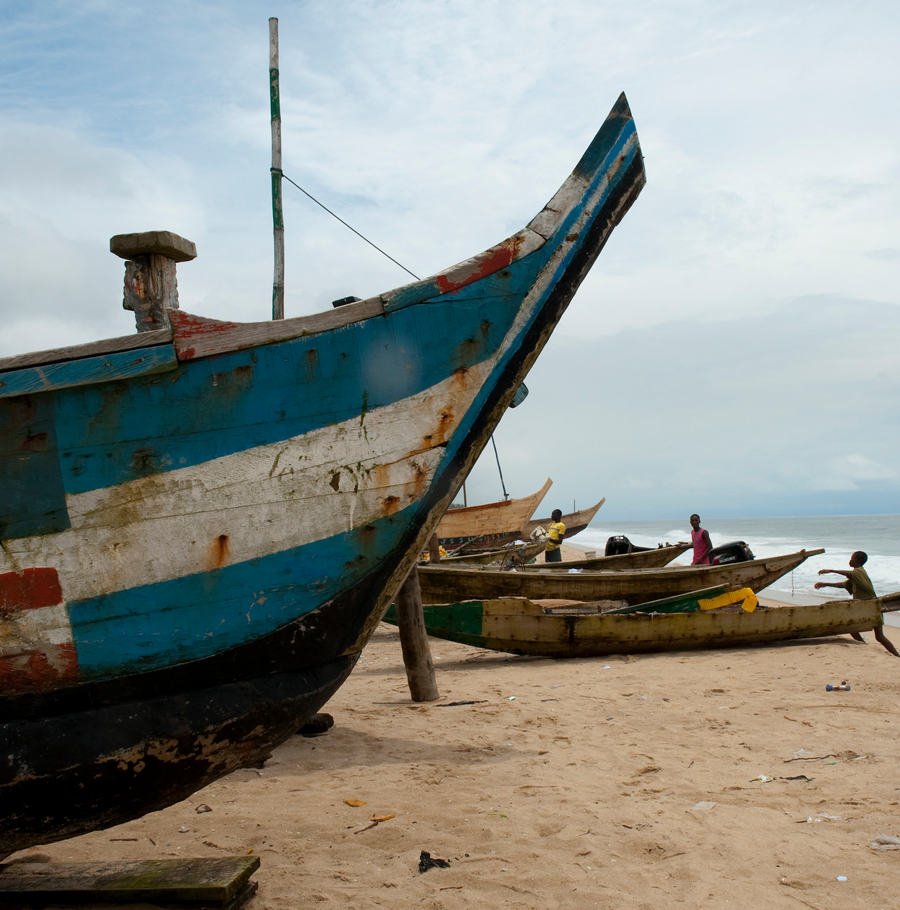
Eight years of results. A bold second phase. WACA+ launches with $240M for West Africa's most vulnerable coastal communities.
From WACA to WACA+: building on eight years of regional coastal action, the second phase launches with $240M to protect 530,000 people, create 13,000 jobs, and drive inclusive blue economy growth across West Africa.
Read more

WACA+: Protecting coastlines and creating sustainable jobs in West Africa
The World Bank Group has approved $240 million to launch the first phase of WACA+, a program strengthening coastal resilience and blue economy development in West Africa. Initially implemented in Benin and Mauritania, WACA+ will protect 530,000 people from coastal erosion and flooding, create 13,000 jobs in fisheries, aquaculture, and tourism, and restore up to 3,000 hectares of mangroves and wetlands.
Read more

Coastal Protection Works Advance in Agbodrafo
Construction is underway on the first coastal protection groynes along the Agbodrafo shoreline, marking a major milestone in the fight against marine erosion. Two groynes are being built simultaneously by Boskalis to accelerate progress along the 7-kilometer stretch. By end-2026, 22 groynes will protect communities between Gbodjomé, Agbodrafo, and Goumoukopé with support from the Government of Togo, AFD, Invest International, and the World Bank under WACA.
Read more
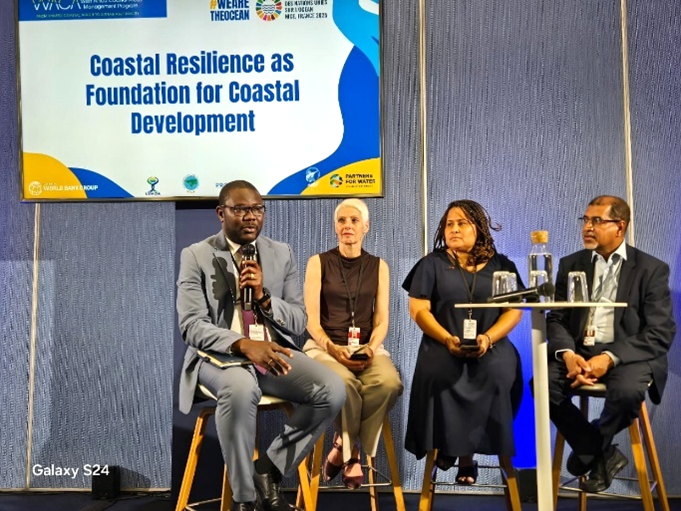
UNOC 3: WACA Puts Coastal Resilience at the Forefront of Sustainable Coastal Development in West Africa
At UNOC 3, WACA put coastal resilience at the center of development. Leaders from West Africa and global partners shared how regional integration, local innovation, and international expertise are turning coastal protection into growth, jobs, and opportunity.
Read more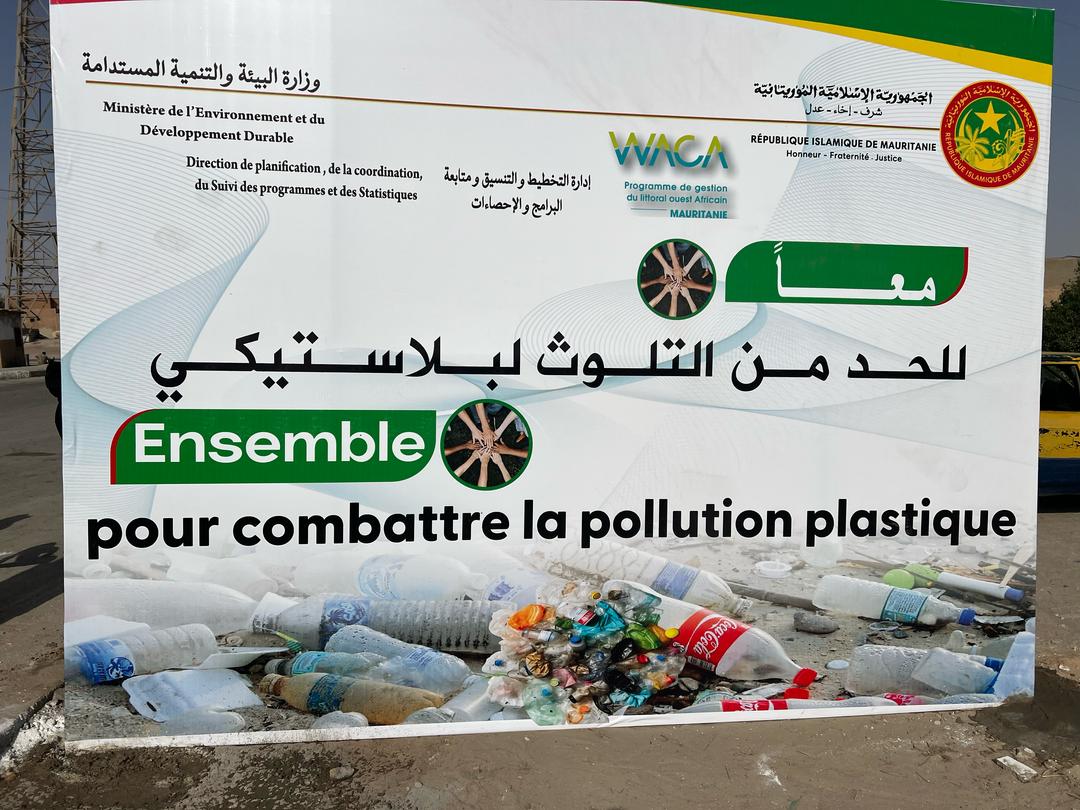
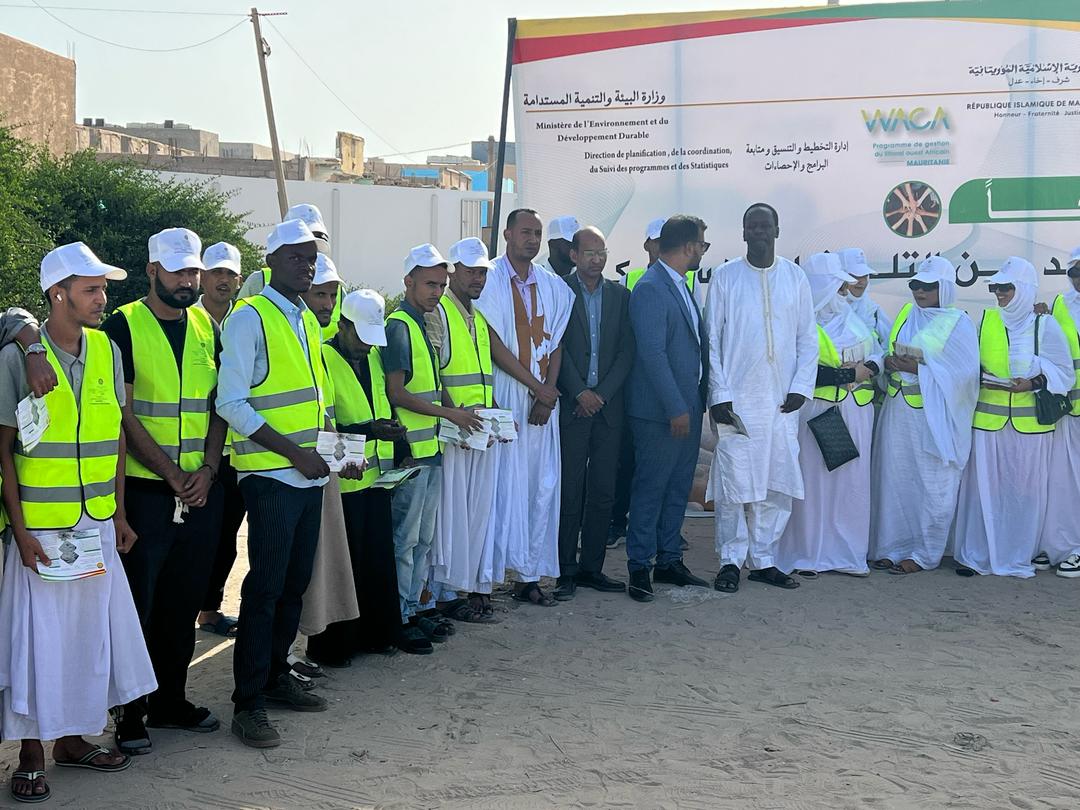
In Mauritania, WACA takes action against plastic bags
On Oceans Day, WACA and Mauritania launched a nationwide campaign to curb plastic bag use. From bustling markets to TV airwaves, citizens learned how this waste threatens health and ecosystems. The message is clear: it’s time to choose sustainability. Discover how communities are fighting back to protect their coast.
Read moreNews & Events

On 8 June 2026, in Braffédon (Grand-Lahou), Prime Minister Robert Beugré Mambé, on behalf of…

From 6 to 10 July 2026, Abidjan is hosting the first annual meeting of the Regional Steering…

The National Assembly of The Gambia has passed the country's first Climate Change Act, a landmark…

Between March and April 2026, the WACA project in Guinea-Bissau signed five cooperation agreements…

From 23 to 25 June 2026, the High Council for the Sea, in collaboration with the Regional…
Key Facts & Figures
-
56%
Coastline in Benin, Cote d’Ivoire, Senegal and Togo subject to an average erosion of 1.8 m per year
-
US$1.4 billion
Cost of air, water and waste pollution cost in 2017 to Benin, Cote d’Ivoire, Senegal and Togo
-
13,000 deaths
Occur in Benin, Cote d’Ivoire, Senegal and Togo primarily due to floods, air and water in 2017
-
$3.8 billion
The cost of erosion, flooding and pollution cost to Benin, Cote d’Ivoire, Senegal and Togo
-
56% GDP
Generated by West Africa Coastal Areas
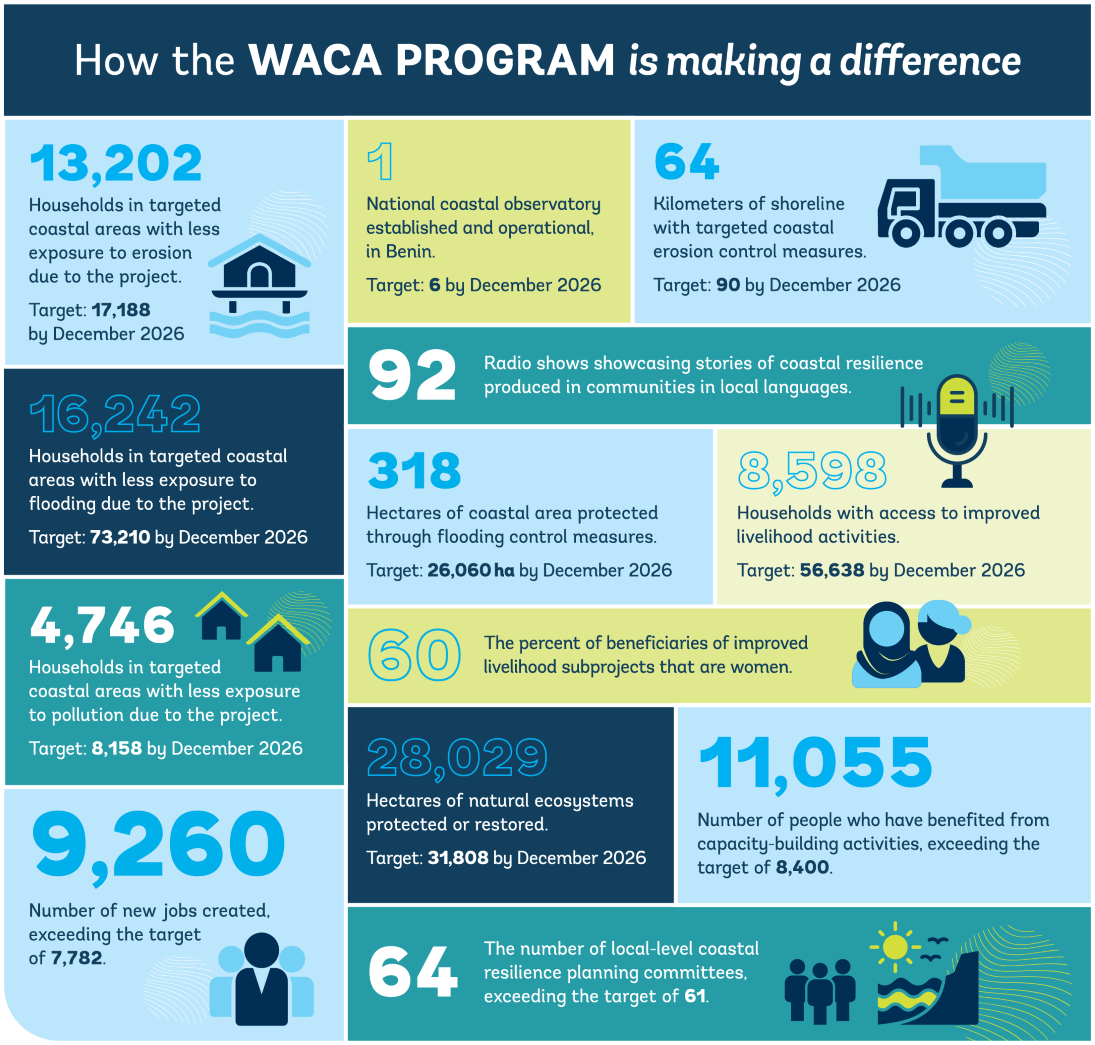
COASTAL CHALLENGES IN WEST AFRICA
Coastal erosion and flooding in West Africa severely threaten people’s communities, livelihoods, safety and investments. About 56% of West Africa’s GDP is generated in coastal provinces, where one-third of the population resides. Stronger storms and rising seas are wiping out homes, roads and buildings that have served as landmarks for generations. Some beaches are deeply mined for sand, protective mangroves are deforested, and people are increasingly vulnerable to the impact of climate change. Some residents have no choice but to move away—a trend that is breaking up communities and changing the social fabric for future generations.
Rapid and often unplanned urbanization has devastated the natural landscape that once served as a buffer for erosion and flooding. These developments disproportionately affect the poorest and most marginalized, and will intensify due to climate change. While countries have started to contain erosion and flooding, there is an urgent need for partners to mobilize financing through coordinated regional action. Collaboration at the policy and technical levels helps countries to manage erosion hotspots, and to maintain the livelihoods that a healthy coastal ecosystem provides to people and economies.